- Writing the Resistance
- Posts
- Abolish the Family!
Abolish the Family!
Or defamiliarizing the normal

Phoebe Wagner
June 15, 2025
In Andor season two, Saw Gerrera has a great line: “Revolution is not for the sane.” While just being badass on the outset, the line has a more practical purpose—revolution defamiliarizes the normal. To be revolutionary, one cannot fit into what much of the populace considers “sanity.”
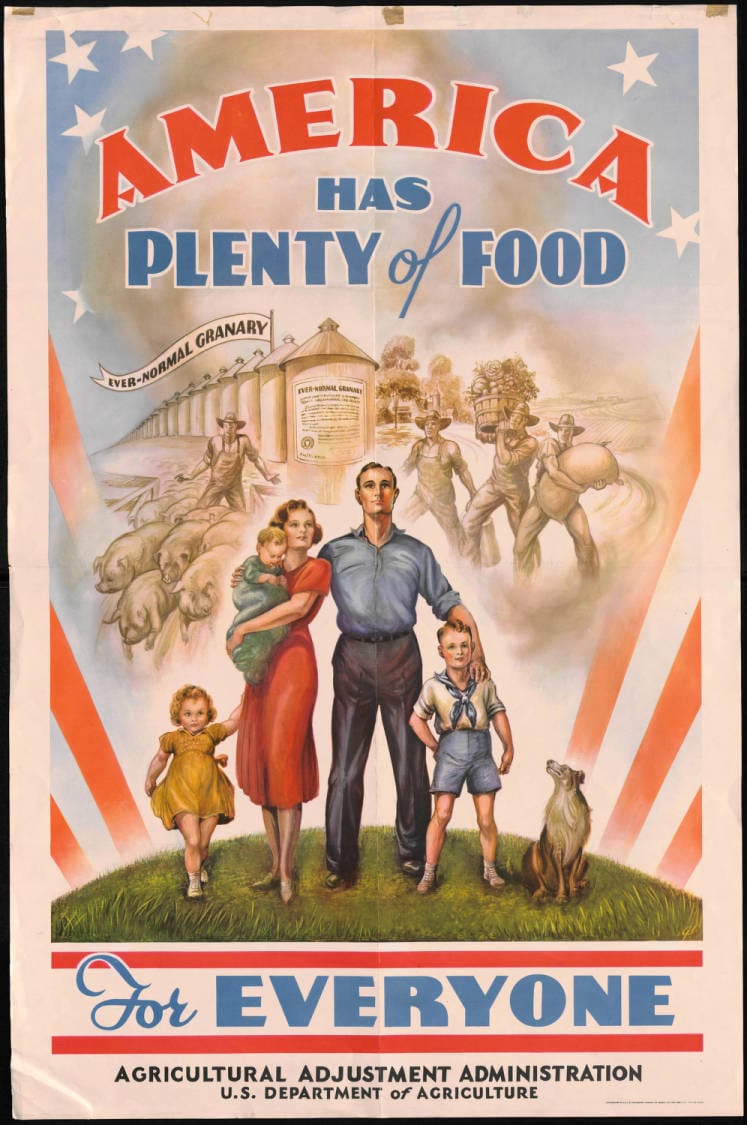
Storytelling can be one way to create this defamiliarity and propose an alternative to what is considered “normal” in the U.S. A great example for us to do that work is around family structures. While the nuclear family (dad, mom, two kids often separated from “extended” family) is popularized as “normal” in the U.S., it’s a colonial and white supremacist structure that supports our current fascist moment. As Jason Stanley writes in How Fascism Works: “In a fascist society, the leader of the nation is analogous to the father in the traditional patriarchal family. The leader is the father of his nation, and his strength and power are the source of legal authority, just as the strength and power are the source of his legal authority, just as the strength and power of the father of the family in patriarchy are supposed to be the source of his ultimate moral authority over his children and wife” (6).
Storytelling has been part of creating this familiarity around the nuclear family structure, as we can see from the resistance to deviate in any way, such as the backlash anytime a queer couple is on screen. As I mentioned in the previous essay, I grew up in a far right, Christian Nationalist church (before the term was in vogue). Family values was one of the most important virtues, and the gay agenda was something actively prayed and fasted to defeat. Somehow, this imagined gay agenda would destroy “the family.” They were never very clear on the how.
The purity of the family has been a calling card for much violence in colonialism and white supremacy, which means it’s something worthy of being deeply questioned. As Donna Haraway writes: “Make kin, not babies.” Choosing alternative families and found families push against the latest wave of fascism we are currently experience. Considering that the majority of contemporary Western storytelling includes patriarchal, heteronormative families, any time we can include an alternative helps people first imagine what possibilities are available, which is step one to living those alternatives.
Even if it’s not important to the plot or the character development, these types of oppositions to what is considered “normal” make space for revolutionary thought. Because family values were so drilled into me as a child, I’m always fighting the initial instinct to recreate certain relational structures. One of my pieces I’m most proud of is my novella When We Hold Each Other Up because alternate lifestyles, including families, created the structure of the novella as my main characters visited communities with different values but a similar goal—to thrive during climate collapse.
Craft Exercise 2: Abolish the Family.
Does your speculative work-in-progress contain the regular family structure of a father, mother, two children? While this family structure doesn’t have to be patriarchal, it’s certainly my default understanding of “family” and something I’m always trying to work against.
Part 1: In your WIP, get rid of the nuclear family unit and create an alternate community structure. Some things to consider:
How does reproduction happen?
Who watches the children?
Are there bloodline relations (for example, uncle, nibling, daughter)?
Who cares for elders?
What are the sexual practices?
What are the romantic practices?
What are the birth practices?
What are the death practices?
Part 2: Don’t make your world homogenized! I work a lot in solarpunk, and a common and correct critique of works in that genre is that they are homogenous—everyone believes in the same practices. Yes, these practices might be better than what we have now, but it’s still inaccurate to community life that everyone would agree. We’re seeing that now as protests occur across the U.S. and people are once again caught up in arguing in what a protest is or is not, should be or shouldn’t be. So, now that you have worked outside of the norm of the nuclear family, create alternatives to that new community structure. Somethings to consider:
What is this alternative community structure, first off?
How is it received by others who practice differently?
Do these different groups interact? How does that go?
Note: There doesn’t have to be conflict in these interactions—there can be joy and learning.
Happy writing!